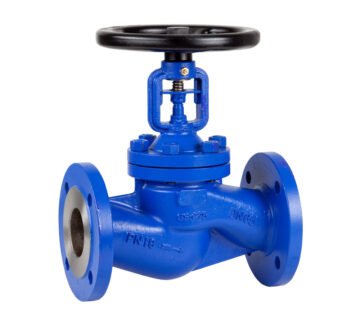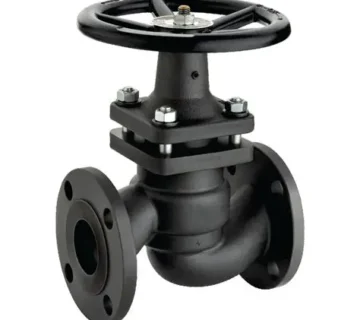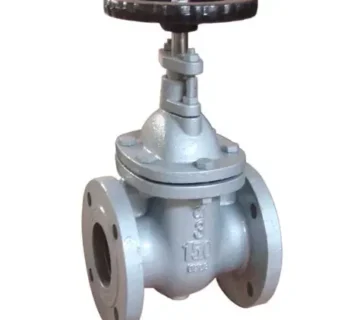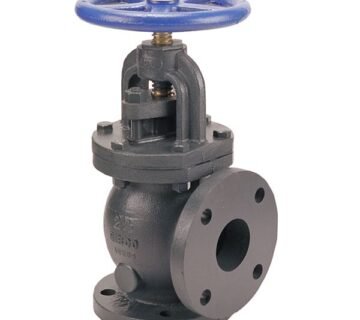
VectorFlow Valves Trading LLC supplies ball valves in Dubai, UAE — cast iron ball valves, bronze ball valves, and cast steel ball valves in JIS, DIN, and ANSI standard. Sizes 8mm to 400mm, screwed and flanged ends, full bore and reduced bore designs. Used in oil and gas pipelines, marine systems, HVAC, water treatment, and general industrial service. Email sales@vectorflowvalves.com or call +971 4 397 8524 for stock availability.
Why Ball Valves Are the Default Industrial Isolation Valve
The quarter-turn operation is the obvious advantage. Open, close, done. No multi-turn handwheel, no rising stem, no external indication needed beyond the handle position. The ball port aligns with the pipe when open and blocks it when closed — zero flow restriction in full-bore designs.
They also seal reliably. The PTFE seats that contact the ball wear slowly and conform to minor imperfections over time, maintaining a tight shutoff even after years of service. A gate valve with worn seats leaks by. A ball valve in the same condition usually still seals.
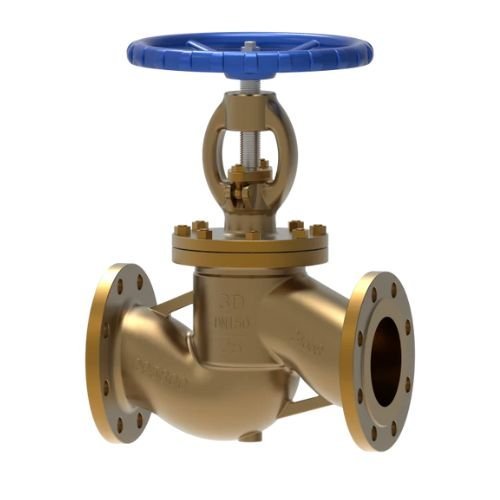
The limitation is throttling. A ball valve is an on-off device. Partially open, the ball edge causes turbulence and accelerated seat wear. If your application needs flow regulation, a globe valve is the right choice. For isolation — where you need the line open or closed — ball valves are usually the fastest, simplest solution.
Material Options and What Each Handles
Cast Iron Ball Valves
The most common ball valve in general industrial service in Dubai. Lower cost than steel, handles freshwater, cooling water, compressed air, and utility service up to moderate pressures. Not for seawater immersion, not for oil and gas process service. In UAE, cast iron ball valves are standard in HVAC chilled water systems, fire protection systems, and utility plant piping where the service is clean and pressures are within the PN16 rating.
Sizes 15mm to 200mm in flanged configuration. Screwed end in smaller sizes for instrument isolation and utility connections.
Bronze Ball Valves
Seawater service, potable water, marine auxiliary systems. The copper-tin alloy resists the corrosion that would attack cast iron in the same service. Screwed end in 8mm to 50mm is the most common range — used extensively in marine engine room piping, accommodation block plumbing, and small-bore instrument isolation valves.
JIS 5K and 10K bronze ball valves are standard components in vessel maintenance orders from Dubai drydocks. Bronze full-bore ball valves in 15mm to 50mm screwed end are a fast-moving stock item.
Cast Steel Ball Valves
Oil and gas process service, high-pressure steam, and applications where cast iron is not acceptable on safety grounds. ASTM A216 WCB in ANSI 150LB to 600LB covers most upstream and midstream oil and gas duties. The trunnion-mounted design in larger sizes maintains stable sealing under line pressure without relying on the seats to support the ball — important in high-pressure pipeline service.
Available in DIN PN16 to PN40 for European-specification plants. Full bore design preferred for pig launcher and receiver applications where pipeline pigs must pass through the valve.
Full Bore vs Reduced Bore
Full bore means the ball port diameter matches the pipe internal diameter. No constriction, no turbulence, no pressure drop across the valve. Required for pipeline pigging operations, and preferred wherever flow measurement accuracy downstream matters. The valve body and ball are larger and heavier than reduced bore for the same line size.
Reduced bore has a ball port one or two sizes smaller than the pipe. Lighter, cheaper, more compact. Acceptable where pressure drop is not critical and pigging is not required. Most HVAC and utility applications use reduced bore without issue.
For oil and gas main line isolation, specify full bore. For instrument isolation and utility service, reduced bore is fine and saves money.
Floating Ball vs Trunnion Mounted
In a floating ball design, the ball is not fixed — it floats between the two seats and is pushed against the downstream seat by line pressure. This creates the seal. Works well up to around 300mm and ANSI 300LB. Above these sizes and pressures, the force on the downstream seat becomes too high for reliable operation.
Trunnion-mounted ball valves have the ball fixed on trunnion bearings at top and bottom. The seats are spring-loaded against the ball, not reliant on line pressure to seal. Suitable for large diameter and high-pressure pipeline service. More complex, more expensive, but the correct choice for NPS 6 and above in ANSI 300LB and higher service.
Most industrial and marine ball valves in the size range VectorFlow commonly supplies are floating ball design. Trunnion mounted is available on inquiry for larger pipeline sizes.
Applications in UAE and GCC
HVAC and district cooling: Cast iron and bronze ball valves dominate in chilled water pump headers, fan coil unit isolation, and cooling tower supply and return lines. The UAE district cooling market is large and consistently active.
Marine and offshore: Bronze screwed ball valves in small-bore marine systems. Cast steel flanged for offshore process service. Dubai drydock operations regularly order bronze ball valves for vessel maintenance.
Oil and gas: Cast steel ball valves in ANSI and API ratings for pipeline and wellhead service. VectorFlow can source API 6D rated pipeline ball valves on inquiry.
Water treatment: Large-diameter cast iron ball valves at pump stations and filter isolation. Full-bore design for systems where hydraulic efficiency is a design constraint.
Frequently Asked Questions
Q: What is the difference between a ball valve and a gate valve?
A ball valve turns a quarter turn to open or close. A gate valve requires multiple turns of a handwheel to raise or lower a wedge gate. Ball valves are faster to operate and maintain a tight shutoff with less wear. Gate valves are preferred in large-diameter, low-pressure applications where the lower cost offsets the slower operation.
Q: Can ball valves be used for steam service?
Yes, but with restrictions. PTFE seats are not suitable above around 180 degrees C. For higher-temperature steam service, metal-seated ball valves with appropriate seat materials are required. Specify the temperature and pressure at the time of inquiry so the correct seat material is confirmed.
Q: What does a lockable ball valve mean?
A lockable ball valve has a provision on the handle to attach a padlock, fixing the valve in the open or closed position. Used where process safety requires the valve to be locked out during maintenance or where regulatory requirements mandate lockable isolation on certain lines.
Q: Do you supply ball valves for LPG and natural gas service?
Yes. Cast steel ball valves with gas-rated seats and seals are available for LPG and natural gas service. The material and seat specification differs from water and oil service valves. State the service fluid at the time of inquiry.
Q: What sizes do you carry in stock in Dubai?
Bronze ball valves in screwed end from 8mm to 50mm. Cast iron ball valves flanged from 15mm to 200mm. Cast steel ANSI 150LB from 15mm to 100mm as standard stock. Larger sizes and special specifications available on inquiry with confirmed lead times.
Contact: sales@vectorflowvalves.com | +971 4 397 8524 | Ras Al Khor Industrial Area 2, Dubai, UAE