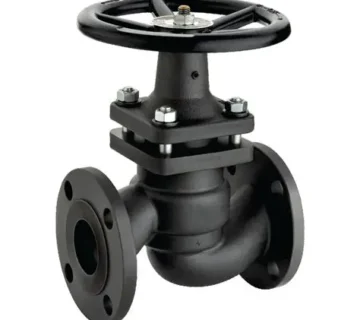
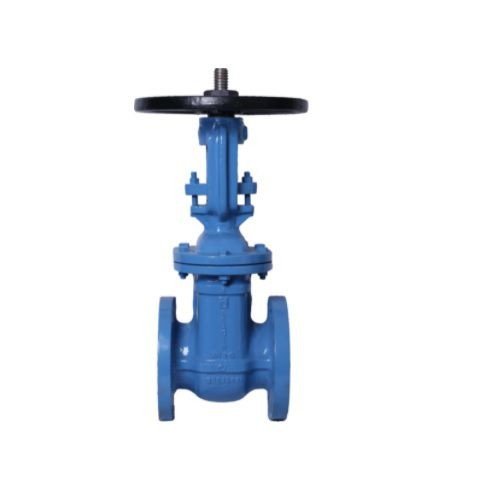
When you are responsible for procurement in a project, valve selection quickly becomes more than a line item on a BOQ. Delivery timelines, documentation, inspection approvals, and lifecycle reliability all enter the equation.
Buyers searching for a dependable Cast Iron Valve in Dubai often face a common question:
👉 Should we import directly from overseas manufacturers, or purchase from stock already available in the local market?
At first glance, importing might appear cheaper. But once you factor in risk, compliance, and project deadlines, the answer becomes more nuanced.
Let’s break it down in practical, real-world terms.
Why Cast Iron Valves Are Widely Used
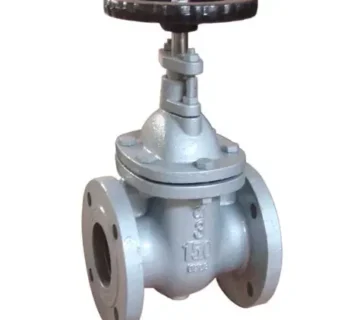
Cast iron valves remain popular across HVAC, water distribution, fire protection, and low-to-medium pressure industrial systems.
They are preferred because they offer:
- Strong mechanical stability
- Good corrosion resistance in water applications
- Cost effectiveness
- Availability in large sizes
- Compatibility with common flange standards
For many infrastructure and building services projects, they provide an ideal balance between performance and price.
The Appeal of Imported Valves
Some contractors consider direct imports to reduce procurement cost, especially for bulk quantities.
Potential Advantages
- Lower ex-factory price
- Direct communication with manufacturer
- Customization possibilities
- Large-volume ordering options
However, the real story often unfolds after the order is placed.
Common Import Challenges
- Long shipping schedules
- Customs clearance delays
- Freight fluctuations
- Difficulty replacing rejected items
- Complicated warranty claims
- Documentation mismatches with consultant requirements
If something goes wrong, solving it can take weeks — sometimes months.
Why Many Buyers Prefer Local Availability
Purchasing from a supplier stocking Cast Iron Valve in Dubai removes many uncertainties.
Immediate Delivery
Urgent shutdown or project milestone? Stock is ready.
Pre-Verified Products
Reputable suppliers already understand local standards and typical consultant expectations.
Easier Returns & Replacements
If inspection flags an issue, resolution is faster.
Simplified Logistics
No port handling, no customs paperwork, no currency complications.
Technical Support
Local experts can recommend equivalents or upgrades based on site conditions.
Market Reality in Dubai
Dubai is a regional trading hub where project schedules are tight and penalties for delay are real. Engineers and procurement teams often prioritize reliability of supply over marginal savings.
Waiting for imported materials can affect:
- Installation sequences
- Testing timelines
- Authority approvals
- Final handover dates
Because of this, local sourcing has become the default strategy for many contractors.
Cost vs Risk: The Procurement Balancing Act
It is tempting to compare only invoice values.
But professionals also calculate:
- Cost of downtime
- Labor rescheduling
- Equipment idle time
- Reinspection fees
- Airfreight for urgent replacements
When these are considered, locally stocked valves frequently deliver better overall value.
Quality Considerations
Whether imported or local, what truly matters is:
- Material integrity
- Pressure rating accuracy
- Coating quality
- Proper machining
- Testing standards
Trusted suppliers in Dubai typically source from established manufacturers and maintain documentation that supports project approvals.
When Importing Might Make Sense
Direct import can work in cases where:
- The project timeline is flexible
- The quantity is extremely high
- Special non-standard configurations are required
For routine needs, however, readily available inventory is often the safer route.
Final Thoughts
For most contractors, consultants, and facility operators, the goal is simple: get approved materials delivered on time with minimal risk.
That is why sourcing Cast Iron Valve in Dubai from established local stockists remains a preferred procurement model. It keeps projects moving, reduces uncertainty, and ensures support when you need it most.
Frequently Asked Questions (FAQs)
1) Are locally available valves more expensive than imports?
The unit price might be slightly higher, but when you include shipping, duties, delay risks, and replacement costs, local purchases often prove more economical.
2) Do local suppliers provide international standards?
Yes. Most reputable vendors stock valves manufactured according to DIN, ANSI, or other recognized specifications along with necessary certificates.
3) What happens if a valve fails inspection?
With local sourcing, replacements or clarifications can be arranged quickly, minimizing project impact.
4) Is documentation easier with local suppliers?
Typically, yes. Experienced suppliers are familiar with consultant and authority expectations in UAE projects.